

Automobile photography is all about capturing the design, power, and personality of a car through creative angles, lighting, and composition. But for beginners, taking professional-looking car photos can be challenging without the right techniques.
In this guide, you’ll learn practical automobile photography tips for beginners that will help you capture sharp, dynamic, and visually striking car photos with ease. These automobile photography tips for beginners are easy to follow and can instantly improve your results.
What is Automobile Photography?
Automobile photography is the art of capturing cars in a visually appealing way using lighting, composition, angles, and motion techniques. It highlights the design, details, and performance of a vehicle.
Key Automobile Photography Tips
These essential automobile photography tips will help beginners understand the basics of lighting, composition, and shooting techniques for better results.
- Shoot during golden hour for soft lighting
- Use a shallow depth of field for subject focus
- Try different angles and perspectives
- Avoid unwanted reflections
- Choose clean and relevant backgrounds
- Experiment with motion shots
- Keep your camera stable
7 Automobile Photography Tips for Beginners
Automobile photography comes with unique challenges such as lighting, reflections, and composition. However, with the right techniques, beginners can capture sharp, creative, and professional-looking car photos.
Here are 7 essential automobile photography tips to help you get started.
1. Shoot During Golden Hour
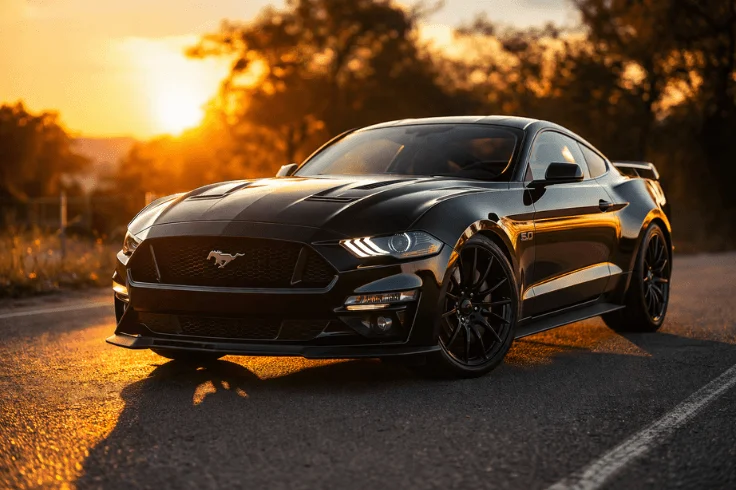
Lighting is the most important element in photography. The golden hour—just after sunrise or before sunset—provides soft, warm light that enhances the car’s color and shape. Avoid harsh midday sunlight as it creates strong shadows and reflections.
2. Control Depth of Field
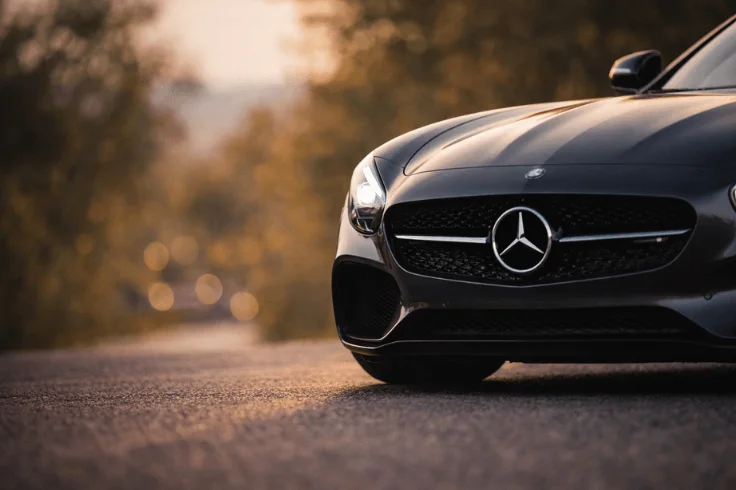
Use a shallow depth of field to blur the background and highlight the car. This technique, known as the bokeh effect, makes your subject stand out. Use a wide aperture (f/1.8 – f/4) for best results.
3. Experiment with Creative Angles
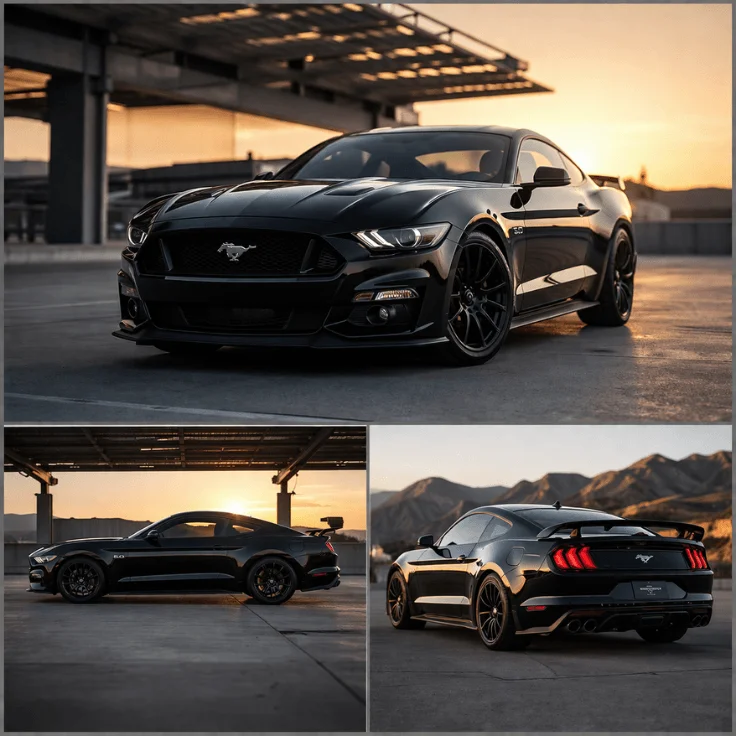
Don’t just shoot from eye level. Try low angles, side angles, or close-up shots to create more dynamic and engaging images. Different perspectives can dramatically improve your composition.
4. Be Careful of Reflections
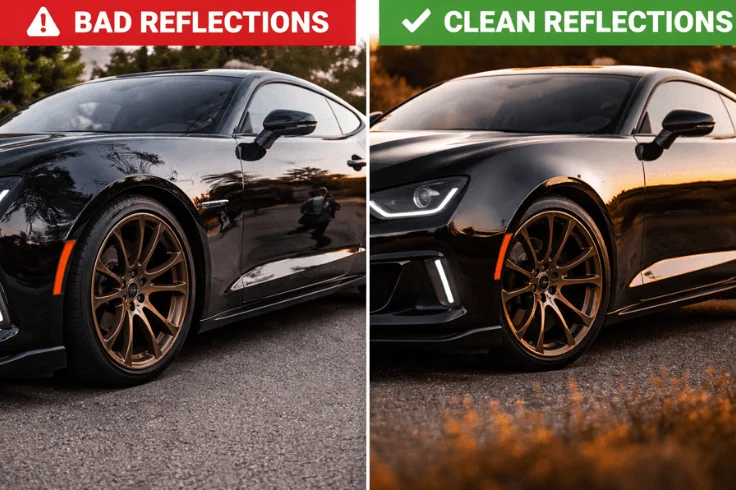
Cars act like mirrors, reflecting everything around them. Avoid unwanted reflections like buildings, people, or yourself. Shoot in open spaces and always check reflections before clicking.
5. Choose the Right Background
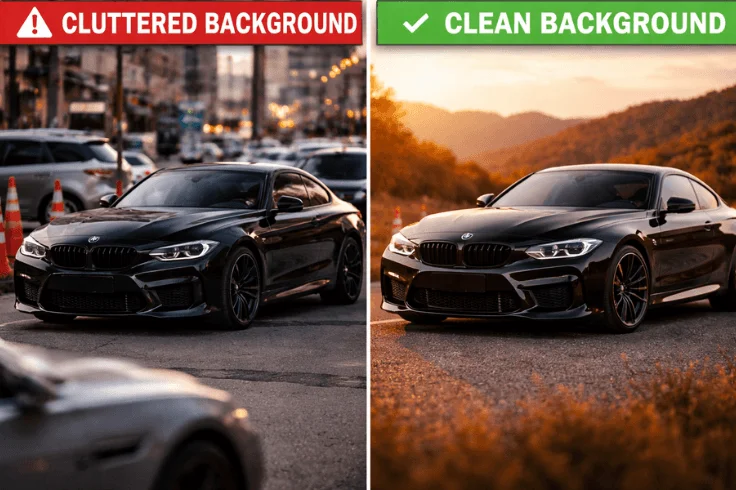
A clean and relevant background enhances your photo. Avoid distractions like wires, dustbins, or other vehicles. Natural environments like roads, hills, or empty parking lots work best.
6. Use Motion Shots for Action
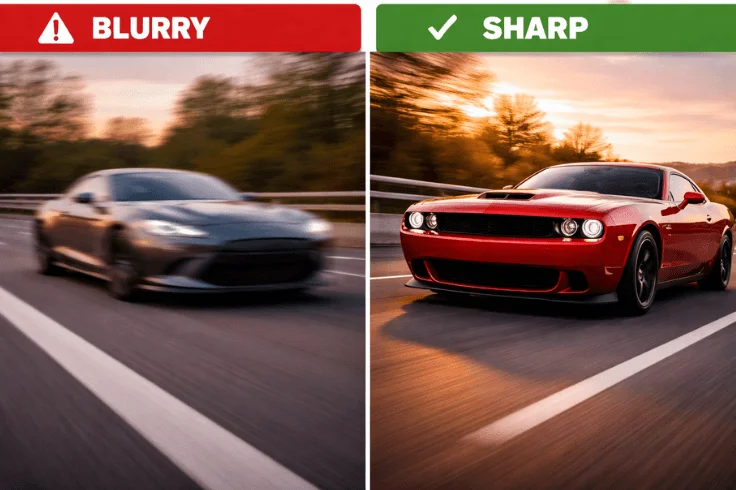
Capture movement by shooting the car from another moving vehicle. Use a slower shutter speed (e.g., 1/60–1/100) to create motion blur. This gives your photo a dynamic and professional feel.
7. Try Night Photography
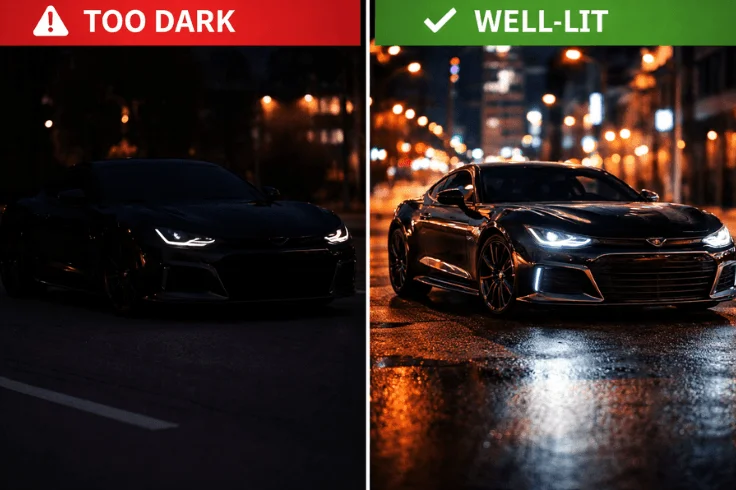
Night shots can look stunning with a proper setup. Use a tripod, low ISO (100), and long exposure to capture clean images. Find a dark location with minimal light pollution for best results.
Common Mistakes to Avoid
Avoiding common mistakes in automobile photography can significantly improve your results. Here are a few things you should avoid:
- Shooting in harsh sunlight
- Ignoring reflections
- Using cluttered backgrounds
- Not stabilizing the camera
- Over-editing photos
Avoiding these mistakes will instantly improve your results.
Post-Processing Tips for Car Photography
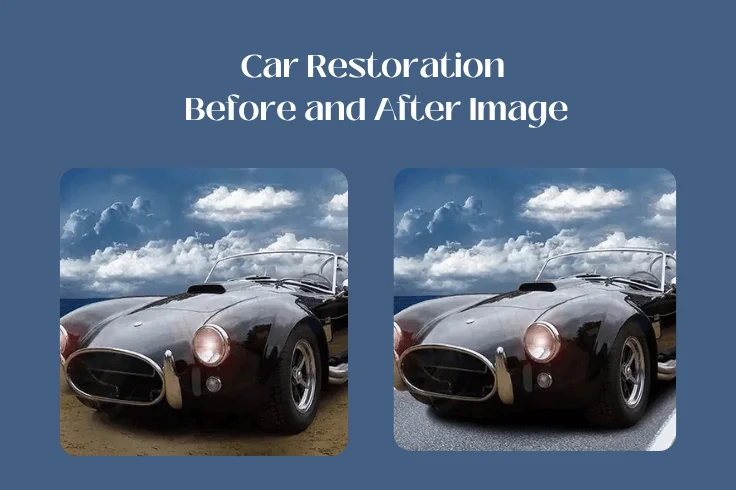
Even after capturing a great shot, post-processing plays a crucial role in making your car photos look truly professional. Editing helps enhance details, correct imperfections, and give your images a polished finish. Here are some essential post-processing techniques:
Remove Reflections
Reflections from buildings, people, or unwanted objects can ruin an otherwise perfect car photo. Use editing tools to clean up reflections and keep the focus on the vehicle.
Color Correction
Adjust brightness, contrast, and color balance to make the car look more vibrant and realistic. Proper photo color correction ensures the vehicle’s true color stands out.
Background Cleanup
Distracting elements like wires, dust, or unwanted objects can reduce image quality. Cleaning up the background helps create a cleaner and more professional look.
Shadow Enhancement
Enhancing shadows and highlights adds depth and dimension to your image, making the car appear more dynamic and visually appealing.
Want your car photos to look truly professional? Our expert editors at Clipping World can remove reflections, enhance colors, and deliver high-quality, ready-to-use images for your business or portfolio.
FAQs About Automobile Photography
Car photos look dull due to poor lighting, incorrect exposure, or a lack of color correction. Using proper lighting and editing can improve results.
The best time is during golden hour (sunrise or sunset) when the lighting is soft and warm.
Beginners should focus on lighting, angles, and background while keeping the car as the main subject.
Use low ISO (100–200), wide aperture (f/2–f/5), and adjust shutter speed depending on motion.
Shoot in open areas, change your angle, and check reflections before taking the shot.
Conclusion | Automobile Photography Tips
Automobile photography may seem difficult at first, but with the right techniques and practice, you can capture stunning car photos. From choosing the right lighting to experimenting with angles and motion, every step plays a role in improving your results.
These automobile photography tips for beginners are simple yet highly effective for capturing professional-quality car photos.
Want your car photos to look truly professional and ready for clients or marketplaces? Our expert editors can enhance colors, remove reflections, and improve clarity to give your images a polished, high-quality finish. Try our free trial today and see the difference before you commit.