
Clothing photography plays a crucial role in fashion ecommerce. High-quality product images allow customers to clearly see the design, texture, color, and fit of garments before making a purchase. Professional clothing photos not only improve brand presentation but also increase customer trust and boost conversion rates.
In this guide, we will explain how to photograph clothing professionally for ecommerce, including the best equipment, lighting techniques, photography styles, and editing tips.
What Is Clothing Photography?
Clothing photography is the process of capturing images of garments for ecommerce stores, fashion catalogs, and online marketing. It focuses on presenting clothing in a visually appealing way so customers can clearly see the design, color, texture, and fit before purchasing online.
How to Photograph Clothing for Ecommerce
Follow these steps to photograph clothing professionally:
- Prepare the clothing and remove wrinkles
- Set up soft and even lighting
- Use a clean background
- Display clothing on a mannequin or model
- Capture multiple angles of the garment
- Edit images for professional results
Why Clothing Photography Is Important for Ecommerce
Clothing photography plays a vital role in ecommerce success. When customers browse online stores, they rely heavily on product images to understand what they are buying, which is why many ecommerce platforms like Shopify emphasize the importance of high-quality product photography.
Here are several reasons why clothing photography matters:
- Builds Customer Trust: Helps customers feel confident about product quality.
- Improves Conversion Rates: Clear images increase purchase chances.
- Reduces Product Returns: Accurate photos help reduce returns.
- Enhances Brand Image: Professional photos build brand trust.
For these reasons, investing in high-quality clothing photography is essential for any successful ecommerce business, as it helps showcase products clearly, build customer trust, and increase overall sales.
Essential Equipment for Clothing Photography
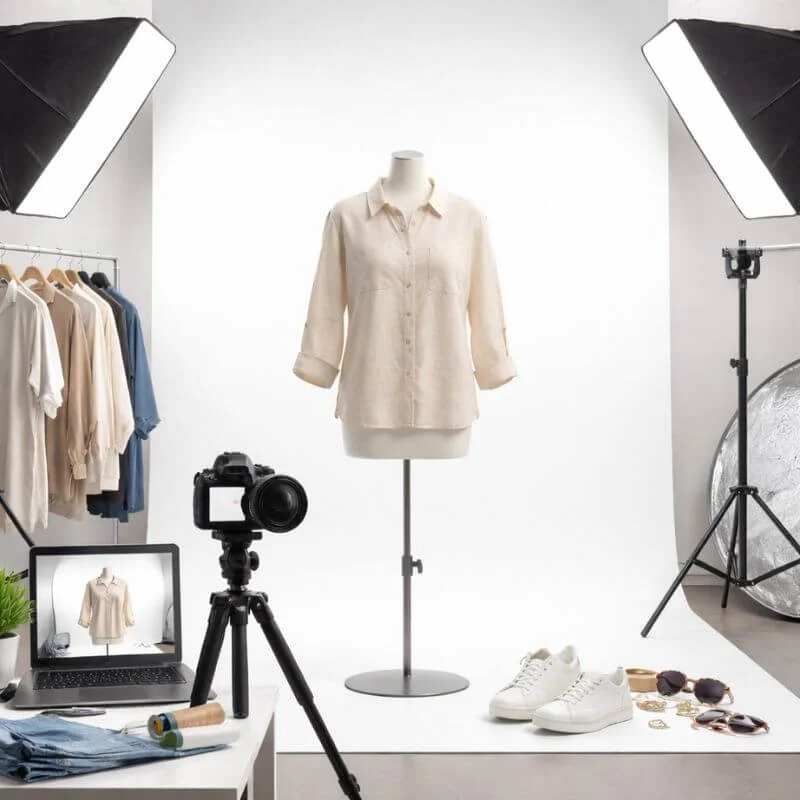
You do not always need an expensive studio to capture professional clothing photos. With the right tools and setup, you can achieve impressive results.
Camera
A good camera helps capture clear and detailed images of clothing, ensuring that the fabric, color, and design are accurately represented.
You can use:
- DSLR cameras
- Mirrorless cameras
- High-resolution smartphones
Modern smartphones can also produce excellent clothing photos, especially when used with proper lighting and a stable setup.
Lighting
Lighting is one of the most critical elements of clothing photography. Proper lighting highlights the color, texture, and design of the garment.
There are two common lighting options:
- Natural Lighting: Natural window light creates soft and realistic results; shooting near a large window during the daytime works very well.
- Studio Lighting: Professional photographers use studio lights such as softboxes, ring lights, and LED panels to provide consistent illumination and reduce harsh shadows.
Background
A clean and simple background ensures that the focus stays on the clothing.
Common background choices include:
- Pure white background
- Neutral-colored backdrop
- Minimal studio environment
White backgrounds are particularly popular because they are widely accepted on ecommerce platforms like marketplaces and product catalogs.
Tripod
Using a tripod helps stabilize the camera and keeps your photos consistent across multiple products. This is especially useful when photographing a large number of items for an online store.
Preparing Clothing for Photography
Before taking photos, garments should be properly prepared.
Preparation tips include:
- Remove wrinkles using steam or ironing
- Clean the clothing to remove dust or stains
- Shape the garment neatly
- Use clips or pins to improve the fit
Proper preparation helps clothing look more attractive in photos.
Popular Clothing Photography Styles
There are several ways to photograph clothing depending on your brand style, budget, and marketing goals.
Flat Lay Clothing Photography
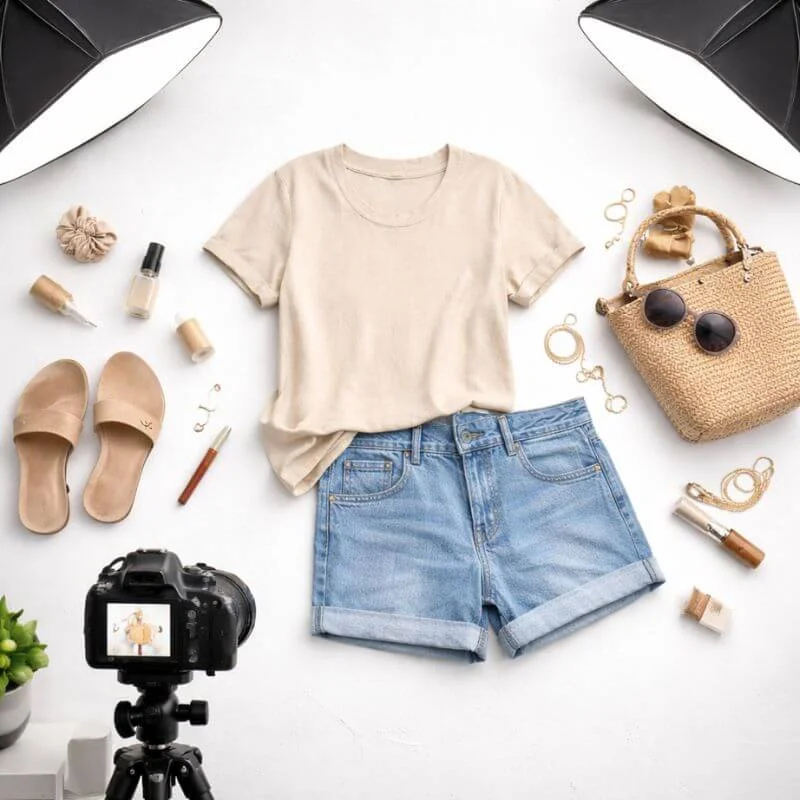
Flat lay photography involves placing clothing on a flat surface and taking photos from directly above. This method is widely used in ecommerce and social media marketing because it is simple and visually appealing.
Benefits of flat lay photography include:
- Easy setup
- Budget-friendly
- Great for showcasing outfits and accessories
- Ideal for social media posts
Flat lay photography works especially well for items such as t-shirts, jeans, sweaters, and accessories.
Mannequin Clothing Photography
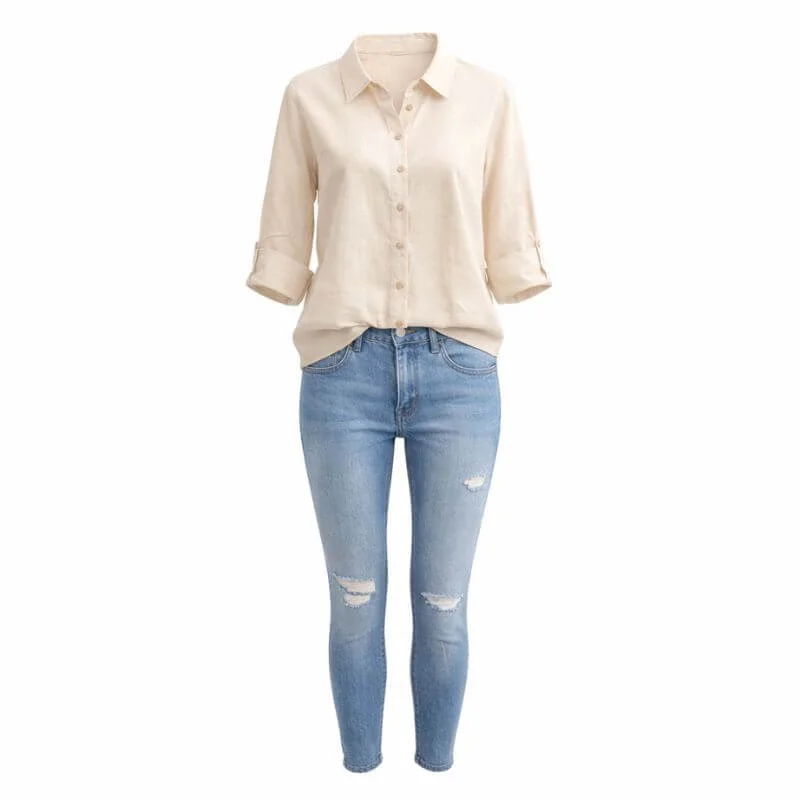
Mannequin photography is one of the most popular methods for ecommerce clothing stores.By placing clothing on a mannequin, you can show the natural shape and fit of the garment. This helps customers better understand how the clothing will look when worn.
Many brands also use the ghost mannequin effect, which removes the mannequin during editing and creates the illusion that the garment is worn by an invisible model.
Model Clothing Photography
Model photography shows clothing being worn by real people. This approach adds personality and lifestyle appeal to the images.
Advantages of model photography include:
- Shows how the clothing fits on the body
- Creates emotional connection with customers
- Enhances brand storytelling
- Ideal for marketing campaigns and lookbooks
Many fashion brands combine model photography with product-only images for ecommerce listings.
Best Background for Clothing Photography
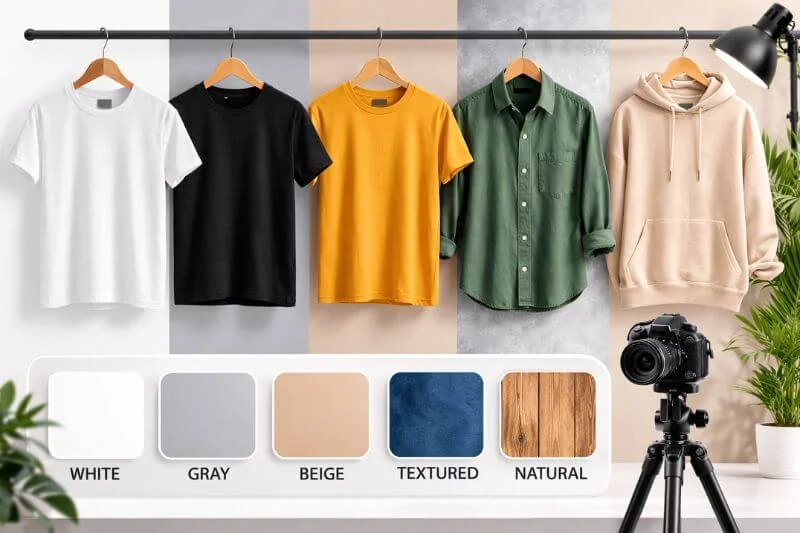
The best background for clothing photography is a clean white or neutral backdrop. A white background helps highlight the clothing and keeps the focus on the product. It also creates a consistent and professional look for ecommerce product listings.
Clothing Photography Tips for Better Results
Follow these tips to improve your clothing photography:
- Use soft and even lighting
- Keep the background simple
- Capture multiple product angles
- Maintain consistent image style
- Focus on garment details
These techniques help create professional and attractive product images.
Importance of Clothing Photo Editing
Photo editing is essential for creating polished ecommerce images. Editing improves color accuracy, removes distractions, and enhances overall image quality.
Common clothing photo editing services include:
- Background removal
- Color correction
- Wrinkle removal
- Shadow creation
- Ghost mannequin effect
Many ecommerce brands rely on professional services like Clipping World to ensure their clothing images look clean, consistent, and ready for online stores.
Common Clothing Photography Mistakes to Avoid
Even small mistakes can negatively impact the quality of clothing photos.
Here are some common errors to avoid:
- Poor lighting – This can make colors look inaccurate.
- Wrinkled garments – Always prepare clothing before shooting.
- Cluttered backgrounds – Keep the focus on the product.
- Inconsistent image style – Maintain the same visual style across all product photos.
Avoiding these mistakes will significantly improve the overall appearance of your product images.
Frequently Asked Questions
The basic equipment for clothing photography includes a DSLR or smartphone camera, soft lighting, a tripod, and a clean background. These tools help create clear, well-lit product images that highlight the garment’s color, texture, and overall design for ecommerce stores.
Soft and diffused lighting is the best option for clothing photography because it evenly illuminates the garment without creating harsh shadows. Natural window light or studio lights, such as softboxes and LED panels, are commonly used for accurate colors and fabric details.
Photo editing is important for clothing photography because it improves image quality and removes distractions. Editing helps correct colors, remove backgrounds, smooth wrinkles, and add shadows, making product photos look clean, professional, and suitable for ecommerce platforms.
Final Thoughts
Clothing photography is a powerful tool for ecommerce businesses. High-quality product images not only showcase your garments but also build trust with customers and improve your brand’s credibility.
By using proper lighting, clean backgrounds, and consistent photography techniques, you can create attractive clothing images that capture customer attention.
Additionally, professional photo editing ensures that your images look polished and ready for online stores. Combining great photography with expert editing can significantly enhance your product presentation and increase sales.
Whether you are a small clothing brand or a large fashion retailer, investing time and effort into clothing photography can make a major difference in the success of your ecommerce business.