
Pet photography is a style of photography that focuses on capturing portraits and natural moments of pets such as dogs, cats, and other animals. It aims to highlight a pet’s personality, expressions, and behavior using the right lighting, camera settings, and timing.
Have you ever tried to photograph your pet, but it keeps moving before you press the shutter? Pets are playful, curious, and full of energy, which makes photographing them both challenging and exciting.
That’s why pet photography has become one of the most popular niches in modern photography. Many pet owners consider their pets part of the family and want beautiful photos to preserve those special memories.
In this guide, you’ll learn pet photography tips, camera settings, equipment, creative ideas, and editing techniques that will help you capture stunning photos of pets.
What is Pet Photography?
Pet photography is a type of photography focused on capturing portraits and natural moments of pets such as dogs, cats, and other animals. The goal is to highlight the pet’s personality, expressions, and behavior using proper lighting, camera settings, and creative composition.
Why Pet Photography Is Popular
Pet photography has become very popular in recent years. Many pet owners love to capture beautiful photos of their pets and share them with others.
Pets Are Part of the Family
Today, many people treat their pets like family members. Dogs, cats, and other pets are important parts of their daily lives. Because of this emotional bond, owners want professional photos that capture their pet’s personality and special moments.
Social Media Trends
Social media has played a big role in the popularity of pet photography. Platforms like Instagram and TikTok are full of cute and funny pet photos. Many pets even become internet celebrities with thousands of followers.
Growing Pet Industry
The global pet industry is growing quickly. Pet brands, pet food companies, and grooming services need high-quality images for marketing and advertising. This increases the demand for professional pet photography.
Personalized Pet Portraits
Many pet owners love custom pet portraits. These photos are often used as wall art, gifts, or keepsakes. Professional pet photography helps create unique and memorable portraits that owners can cherish for years.
Because of these reasons, pet photography continues to grow in popularity among both photographers and pet owners. With the right equipment and techniques, anyone can capture beautiful and memorable photos of their pets.
Essential Equipment for Pet Photography
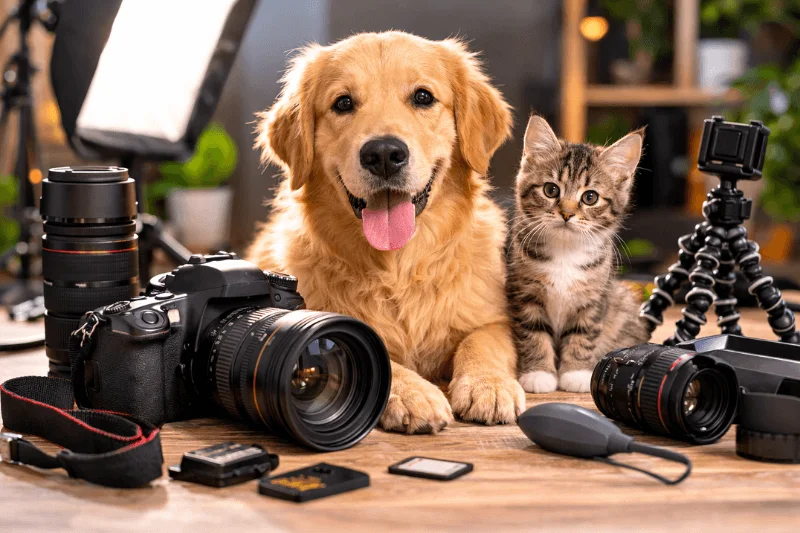
Using the right equipment can make a big difference in pet photography. While skills and timing are important, good tools help you capture sharper and more professional photos.
Camera
A camera with fast autofocus and burst shooting mode works best for pet photography. Pets move quickly, so a camera that can track movement helps capture sharp images. Both DSLR and mirrorless cameras are great choices. Even modern smartphones can take good pet photos when used with proper lighting and settings.
Lens
The lens you choose affects image quality, background blur, and overall composition.
- 50mm Lens: Ideal for natural-looking pet portraits and everyday shots.
- 85mm Lens: Great for close-up portraits with beautiful background blur.
- 70–200mm Lens: Perfect for capturing pets from a distance without disturbing them.
Lighting
Lighting is one of the most important parts of photography.
- Natural Light: The best option for pet photography, creating soft and natural-looking images.
- Studio Lighting: Softboxes or studio lights provide controlled lighting for indoor shoots.
- Reflectors: Help bounce light onto the pet’s face and reduce harsh shadows.
Useful Accessories
Simple accessories can help photographers capture better pet photos.
Common accessories include:
- Pet treats to get the pet’s attention
- Toys to encourage natural expressions
- Squeaky toys or noise makers to make pets look at the camera
- Comfortable blankets or props for creative photos
These small tools help make the photoshoot more fun and help capture natural and expressive moments.
Having the right equipment is important, but great pet photos also depend on technique and timing. Let’s explore some essential pet photography tips that can help you capture stunning images of pets.
10 Best Pet Photography Tips
Photographing animals requires patience and preparation. The following tips can help you capture stunning pet photos.
- Shoot at the pet’s eye level to create emotional and engaging portraits.
- Use natural light whenever possible for softer and more natural photos.
- Keep your shutter speed fast to freeze motion.
- Use toys or treats to grab the pet’s attention.
- Capture action shots such as running or jumping.
- Use burst mode to take multiple photos quickly.
- Focus on the eyes because they create an emotional connection.
- Be patient and allow the pet to relax before shooting.
- Keep the background simple to avoid distractions.
- Edit your photos afterward to improve color, lighting, and overall quality.
Once you understand these tips, you can experiment with different concepts and styles. Let’s explore some creative pet photography ideas that can make your photos even more interesting.
Best Camera Settings for Pet Photography
Choosing the right camera settings is important for capturing sharp and clear pet photos. Since pets move quickly, photographers need settings that can freeze motion and keep the subject in focus.
Here are some recommended camera settings for pet photography.
| Setting | Recommended Value | Why It Works |
|---|---|---|
| Shutter Speed | 1/500 sec or faster | Freezes motion when pets run or jump |
| Aperture | f/2.8 – f/4 | Creates a background blur and focuses on the pet |
| ISO | 100 – 800 | Keeps images bright without too much noise |
| Focus Mode | Continuous Autofocus (AF-C) | Tracks moving pets |
| Drive Mode | Burst / Continuous | Captures multiple photos quickly |
Use Fast Shutter Speed
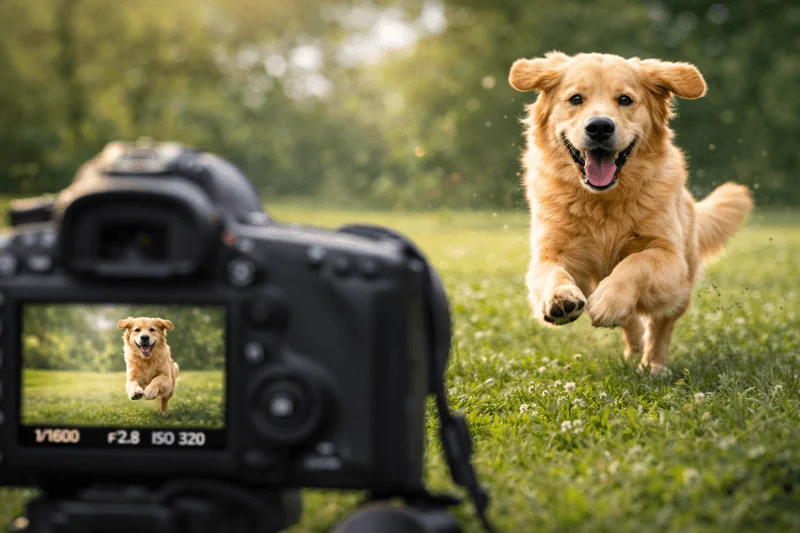
Pets often move suddenly, so using a fast shutter speed is essential. A speed of 1/500 second or faster helps freeze movement and avoid blurry images.
Choose a Wide Aperture
A wide aperture, such as f/2.8 or f/4, helps blur the background and make the pet stand out in the photo.
Use Continuous Autofocus
Continuous autofocus (AF-C) allows the camera to track moving pets and keep them in focus.
Now that you understand the best camera settings, you can start experimenting with creative compositions and locations. Let’s look at some creative pet photography ideas that can make your photos more unique and interesting.
Creative Pet Photography Ideas
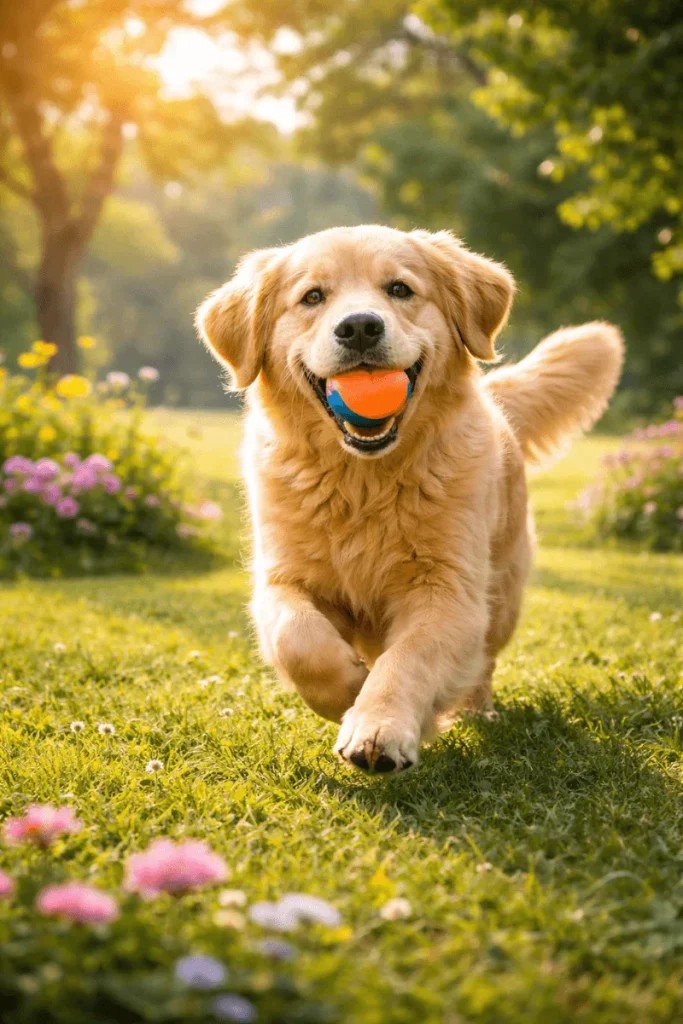
Creative ideas can make your pet photos more interesting and unique. Instead of taking simple portraits, try different themes, locations, and moments to capture the pet’s personality.
Here are some creative pet photography ideas you can try.
Outdoor Adventure Photos
Take photos of pets while they are running or playing in parks, gardens, beaches, or open fields. Outdoor locations provide natural light and a beautiful background.
Pet and Owner Portraits
Photograph pets together with their owners. These photos create emotional and meaningful memories that families love to keep.
Seasonal Pet Photos
Create themed photos for special occasions like Christmas, Halloween, birthdays, or other holidays. These types of photos are very popular on social media.
Lifestyle Pet Photography
Capture pets in their everyday environment, such as relaxing on the couch, playing with toys, or interacting with their owners. These photos look natural and authentic.
Creative ideas can make your pet photos more unique and engaging. However, capturing great photos also requires a clear process. Let’s explore a step-by-step pet photography workflow to make your photoshoot easier and more effective.
Step-by-Step Pet Photography Workflow
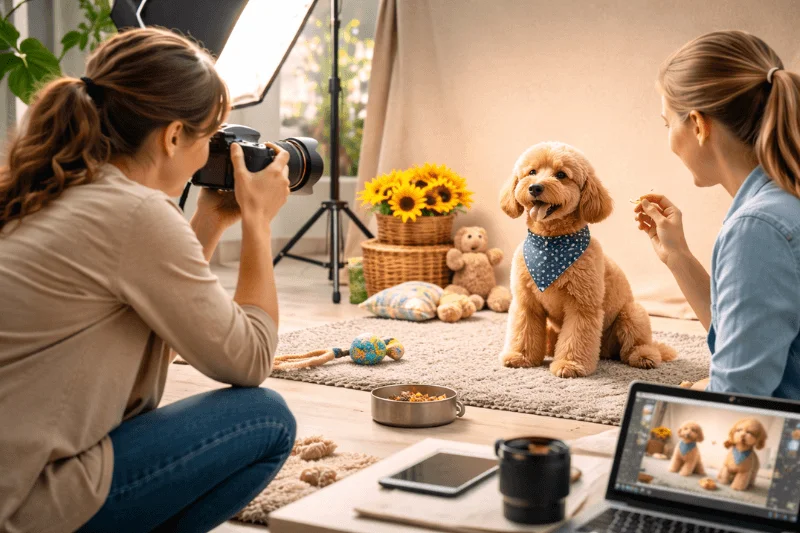
Following a simple workflow can make pet photography easier and more organized. It helps photographers prepare properly and capture better photos during the shoot.
Here is a step-by-step process for photographing pets.
1. Prepare Your Camera and Equipment
Before starting the shoot, check your camera, lens, memory card, and battery. Make sure your camera settings are ready for action shots.
2. Choose the Right Location
Select a location with good lighting and minimal distractions. Parks, gardens, and indoor spaces with natural light work well for pet photography.
3. Make the Pet Comfortable
Allow the pet to explore the environment before taking photos. When pets feel relaxed, they behave more naturally in front of the camera.
4. Capture Natural Moments
Instead of forcing poses, try to capture natural movements and expressions. Photos of pets playing, running, or interacting with their owners often look more authentic.
5. Take Multiple Shots
Pets move quickly, so take many photos during the shoot. Using burst mode increases your chances of capturing the perfect moment.
6. Select the Best Photos
After the session, review all the photos and choose the sharpest and most expressive images.
7. Edit the Final Images
Editing helps enhance colors, improve lighting, and remove distractions. Proper editing can turn a good photo into a professional-quality image.
Once you capture the best photos, the next step is improving them through editing. Let’s explore how editing pet photos can enhance the final results.
Editing Pet Photos for Professional Results
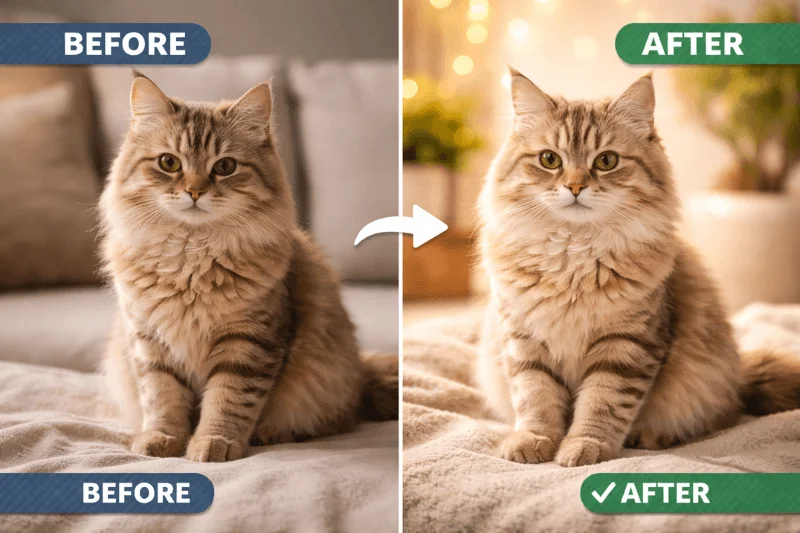
Even a great pet photo can look better with proper editing. Photo editing helps improve colors, remove distractions, and highlight important details like the pet’s fur and eyes.
Professional photographers often edit their images to give them a clean and polished look.
Here are some common editing techniques used in pet photography.
Background Removal
Background removal helps eliminate distracting elements and keeps the focus on the pet. Professional background removal services can make pet photos look cleaner and more polished.
Color Correction
Proper photo color correction helps adjust brightness, contrast, and color balance to improve the overall look of the image. It makes the photo appear more vibrant, balanced, and natural.
Fur Detail Enhancement
Enhancing fur details makes the pet look sharper and more visually appealing. Careful sharpening and texture adjustments can highlight the beauty of the pet’s coat.
Object Removal
Unwanted objects such as leashes, shadows, or background distractions can reduce the quality of a photo. Editing tools can remove these elements and create a cleaner image.
Retouching and Final Adjustments
Small adjustments like exposure correction, sharpening, and cropping can improve the overall composition of the photo. These edits help enhance details, balance lighting, and create a cleaner, more polished image.
Many professional photographers outsource editing tasks to specialized photo editing companies. This saves time and ensures high-quality results for large photo collections.
With the right photography techniques and proper editing, you can create beautiful and memorable pet photos. Let’s look at some common mistakes in pet photography that you should avoid.
Common Mistakes in Pet Photography
Pet photography can be challenging, especially for beginners. Many photographers make small mistakes that affect the quality of their photos. Understanding these common mistakes can help you capture better and more professional pet images.
- Using slow shutter speeds that cause motion blur
- Shooting from too high above the pet
- Using cluttered backgrounds
- Ignoring lighting conditions
- Not taking enough photos during the shoot
Avoiding these common mistakes can greatly improve the quality of your pet photos. Once you gain more experience and confidence, you can even turn your skills into a successful pet photography business.
How to Start a Pet Photography Business
Pet photography is not only a creative hobby but also a profitable business opportunity. With the growing demand for pet portraits and social media content, many photographers are turning pet photography into a full-time career.
Here are some simple steps to start a pet photography business.
Build a Strong Portfolio
Start by photographing pets of friends, family members, or local pet owners. Choose your best photos and create a portfolio that showcases your skills and style.
Create Photography Packages
Offer different photography packages for clients based on their needs and budget. These packages may include outdoor sessions, studio portraits, themed shoots, or special occasion photos such as birthdays.
Promote on Social Media
Social media platforms like Instagram and Facebook are great places to showcase your pet photography work. Posting high-quality photos regularly can help attract potential clients.
Collaborate with Pet Businesses
Partnering with local pet businesses such as pet stores, grooming salons, or veterinary clinics can help you reach more pet owners. These collaborations can also help promote your services and bring in new clients.
Offer Professional Photo Editing
Editing plays an important role in delivering professional-quality images. Clean backgrounds, proper color correction, and detailed retouching can make your photos look more polished.
Starting a pet photography business requires creativity, patience, and practice. With the right skills and marketing strategy, you can turn your passion for pet photography into a successful career.
FAQ: Pet Photography
Here are some frequently asked questions about pet photography.
A 50mm or 85mm lens is ideal for pet photography because it provides a natural perspective and creates a soft background blur. These lenses help keep the focus on the pet while making the subject stand out in the photo
A shutter speed of at least 1/500 second is recommended for pet photography. Fast shutter speeds help freeze motion and capture sharp images when pets run, jump, or move quickly.
Pet photography can be challenging because animals move unpredictably and rarely stay still. However, with patience, practice, and the right camera settings, photographers can capture beautiful and natural pet photos.
Yes, beginners can start pet photography easily. Using natural light, simple backgrounds, and fast shutter speeds can help beginners capture clear and expressive photos of pets.
Conclusion
Pet photography is a creative and rewarding photography niche that allows photographers to capture the personality and charm of animals. From choosing the right equipment and camera settings to using creative ideas and techniques, every step plays an important role in creating beautiful pet photos.
By practicing regularly and avoiding common mistakes, photographers can improve their skills and capture more natural and expressive images. Following a clear workflow and using the right editing techniques can also help turn simple photos into professional-looking results.
Whether you are a beginner learning the basics or planning to start a pet photography business, patience and creativity are key to success. With the right approach, you can capture stunning pet photos that pet owners will treasure for years.