
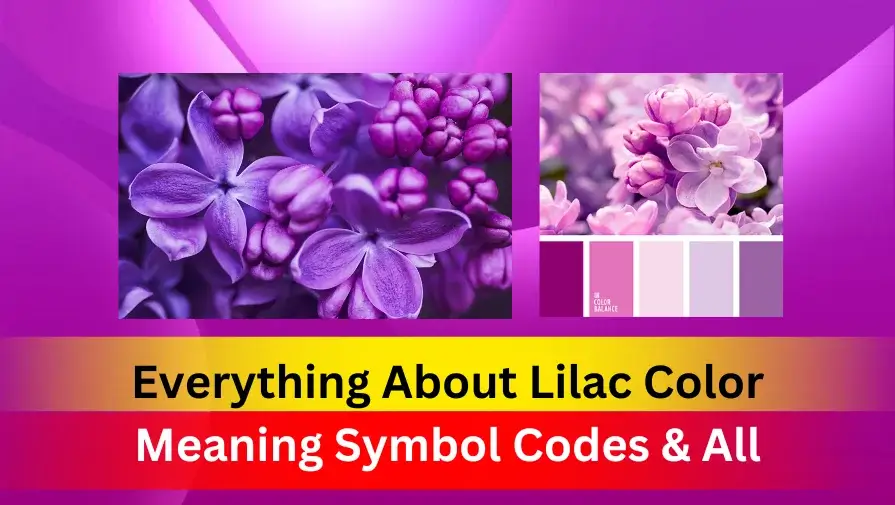
Lilac color is a pale shade of purple often linked with calmness, tenderness, and young love. In design, it brings softness and elegance and pairs well with darker colors like dark green or black. Common codes for lilac include Hex #AA98A9, RGB 170,152,169, and HSL 303°,10%,63%.
Are you a designer looking for inspiration? Not sure how to use lilac in your next project? This article explores the history and versatility of lilac to help you make better color choices. Lilac is a light shade of purple known for its soft, calming, and elegant appearance. It pairs beautifully with darker shades like deep green and black.
What Does Lilac Color Mean?
Lilac color meaning is associated with calmness, emotional softness, romance, and sensitivity. It represents young love, innocence, and peaceful energy, making lilac a soothing and welcoming color in design.
In color psychology, lilac has a more feminine aura and is considered more graceful and mature than pink. People often connect it with affection, sensitivity, and care. According to color psychology theories, the lilac hue is linked with sociability, open-mindedness, and naivety.
The use of lilac can encourage emotional expression and reduce feelings of aggressiveness. More romantic than red, it symbolizes the beginning of love. In some contexts, lilac can also symbolize emotional sensitivity or nostalgia.
History of the Lilac Color
The lilac flower, which gives the lilac color its name, is indigenous to both Europe and Asia. Since the 1750s, they have populated the United States. Over a thousand varieties of lilacs exist, each with a unique hue. In 19th-century Britain, it was one of the few colors a woman could wear after her mourning period ended. Black was no longer needed.
In the Victorian and Edwardian eras, widows often wore black for a year after their husbands’ deaths. After a year, authorities permitted women to wear lighter colors, such as white and lilac. For that reason, royalty and wealthy families mainly used it.
The interior design and fashion industries have helped their recent popularity surge. The year’s color in 2016 was millennial pink, while in 2018, it was ultraviolet, similar to lilac purple. Pinks and purples are climbing to the top of the most popular list.
Lilac Color Codes

Lilac is a soft, light purple shade with the primary hex code #AA98A9. It contains slightly more red than blue, giving it a warmer tone than lavender.
| Color Format | Code Value |
| Hex | #AA98A9 |
| RGB | 170, 152, 169 |
| HSL | 303°, 10%, 63% |
| HSV | 303°, 11%, 67% |
| CMYK | 0, 11, 1, 33 |
Shades of Lilac
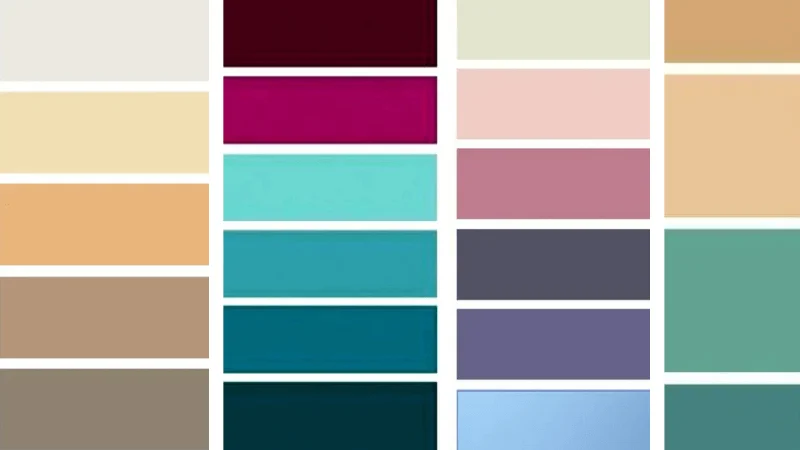
Lilac shades range from very pale, almost white tones to deeper variations closer to soft violet and purple. Like all colors, lilac comes in many tones. These range from shades close to lilac grey and purple to darker or lighter variations. Lighter lilac hues might appear nearly white, while darker hues are closer in appearance to purple.
Lilac is a light violet hue representing the typical color of most lilac blooms. Some lilac flower colors may relate to the hues listed as pale, rich, and deep. However, there are also red-violet-colored lilac blossoms. Let’s have a look at its color combination.
| Color Palette | Description |
| Palette 3988 | The colors in this palette include dusty beige, “dusty” pink, burgundy, and soft bridal shades. It also features soft pinks, soft rose tones, lilac hues, various shades of pink, and warm orange tones. |
| Palette 3503 | It includes amethyst colors, blue-grey colors, and matching living room color combinations. Dark pinks, dark, and flesh colors exist. Lavender, purple, and shades of violet are also part of the living room color schemes. |
| Palette 2707 | Amethyst colors, violet orchid colors, dark pinks, dark purples, and dark violets also exist. Additionally, you can find lavender colors, lilac shades, and many shades of purple. |
| Palette 1241 | Color Schemes for Wall Painting and Walls: Dark Violet, Eggplant, Pink, Pink Sunset, Purple, Shades of Lilac Color, and More! |
How Does Lilac Affect Your Mood?

Lilac is considered a calming color that encourages emotional expression and inner peace. It is often associated with softness, comfort, and romantic feelings.
These colors can improve our moods because they provide a lot of soothing feelings. They are a light and delicate violet hue that symbolizes innocence, youth, spirituality, and peace. As a result, it gives you a unique vibe that will make you feel less distressed and more pleased with your eyes.
The Color of Pale Lilac
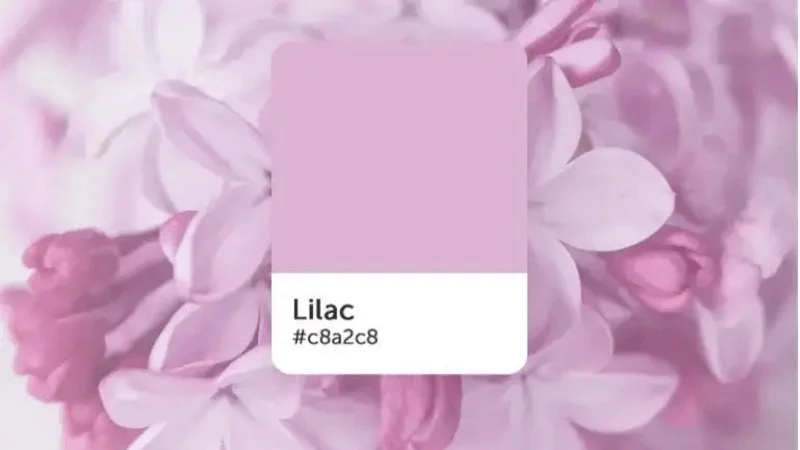
Pale Lilac is a light, brilliant, periwinkle purple with a soft, cool undertone. The Pantone number for this color is 14-3812 TCX. The hexadecimal code for this color is #b4a0c9. This code represents Pantone PMS 15-3720 TCX, also known as Lilac Breeze.
The hexadecimal code #b4a0c9 represents a shade of medium-light blue-magenta. 70.59 percent red, 62.75 percent green, and 70.8 percent blue make up the color code #b4a0c9.
Lilac vs Lavender: What’s the Difference?

Lilac and lavender are both light purple shades, but they differ in undertone and visual feel. It has a slightly warmer, pinkish-red undertone, while lavender leans cooler with more blue.
Key Differences Between Lilac and Lavender
| Feature | Lilac | Lavender |
| Undertone | Slightly more red | More blue |
| Overall Feel | Soft, warm, and gentle | Cool, fresh, and airy |
| Visual Tone | Muted light purple | Brighter light purple |
| Mood in Design | Romantic, delicate | Calm, clean, relaxing |
Lilac and lavender belong to the same purple color family, but they are distinct shades with different undertones. Many people confuse the two because they look very similar at first glance.
If you want a brighter and cooler purple, lavender is usually the better choice. In color theory, undertones help distinguish these shades. Lilac has a slightly warmer, pinkish-red undertone, while lavender contains more blue, giving it a cooler appearance.
Lilac Color in Design
The Lilac color is widely used in graphic design, fashion, and interior design because of its soft and elegant appearance. Its gentle tone makes it a favorite among designers who want to create calm, romantic, or sophisticated visuals.
The growing popularity of lilac can be seen in trends like lilac-colored dresses, home décor, and curated color palettes. When combined with the right color theory principles, lilac can add balance, charm, and visual harmony to any design.
Check out Our Latest Tutorials
Explore more color guides and design resources to enhance your creative projects.
- Learn color harmony with the Adobe Color Wheel guide
- Improve visuals using color composition techniques in photography
- Fix tones using automatic color correction in Photoshop
Conclusion
Overall, the lilac color meaning combines calmness, romance, and gentle emotional energy, making it a timeless and versatile design choice.
This soft and peaceful color not only changes our mood but also helps to change our environment. It also has an incredibly long history, which helps us understand its importance among the royals, who use it as a symbol of power and wealth. This color brings back its old aura in the twenty-first century, which is why it has been named the color of the year several times.
Frequently Asked Questions
Lilac is a light shade between pink and purple, but it leans more toward purple. Its soft tone comes from a mix of red and blue with a higher lightness level.
Lilac is related to purple, a color historically linked with royalty, luxury, and wealth. In the past, lighter purples like lilac were also worn during the later stages of mourning in Victorian society.
Lilac symbolizes young love, first emotions, and romantic beginnings. It represents tenderness, affection, and gentle emotional connection.
Lilac is often associated with calmness, emotional balance, and spiritual awareness. Soft purple tones like lilac are believed to promote relaxation and reduce stress.