

Yoga is more than just a form of exercise. There is a sense of balance, strength, and serenity involved in this exercise. No matter what level of experience you possess, yoga photography can transform ordinary shots into stunning visual stories.
You will learn everything you need to know about yoga photography in 2025, from the perfect poses and lighting to composition, location, and post-production. These 11 yoga photography tips will help you to highlight the beauty and essence of yoga.
Best Yoga Photography Tips in 2025
1. Strike a Pose: Yoga Positions to Boost Your Health
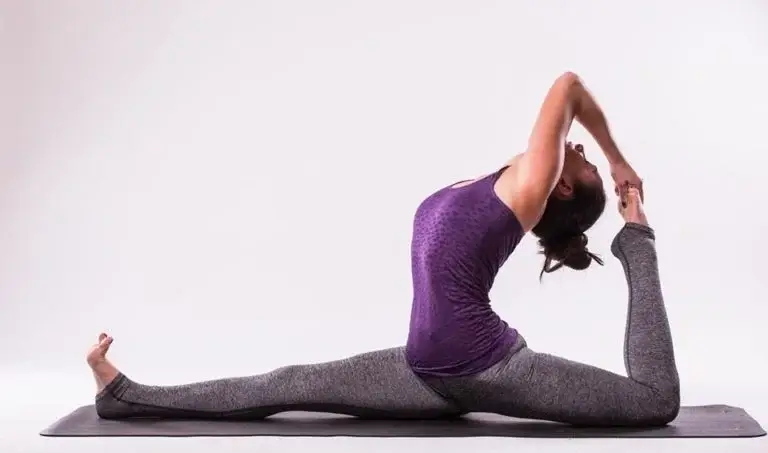
Perfect yoga poses are the key to stunning yoga photography. Practice postures that emphasize balance, strength, and flexibility, such as Tree Pose, Warrior II, or Downward Dog. The poses naturally capture the viewer’s attention and showcase yoga’s essence.
Ensure that arms, legs, and spine are clearly visible when shooting. In order to tell a complete story of the practice, try to photograph every movement of the practice during a full session. Play with different angles – from the front, from the side, or from the top – to make ordinary poses look more dramatic.
It’s important to remember that a well-posed photo not only enhances the visual appeal but also represents the health benefits and serenity of yoga.
2. Use Sufficient Time: Capture Yoga Moments with Patience

For stunning yoga photography, you need patience. A rushed session can result in missed details, awkward angles, or poorly framed shots. Take your time observing the pose, lighting, and background. Wait for natural expressions and alignment before settling into each pose.
If you give yourself enough time, you can experiment with different angles, compositions, and lighting setups. Keeping your yoga photography mindful and focused is important. Your photos will show each posture’s elegance, balance, and serenity if you take your time.
3. Avoid Continuously Shooting: Focus on Quality Over Quantity

The temptation to take photos nonstop can lead to cluttered or repetitive images. Take a step back between shots to assess composition, lighting, and pose. Pausing allows you to focus on small details and capture more visually striking images.
Getting a few well-framed shots is more impactful than taking dozens of rushed shots. You should take your time between shots to ensure that each image reflects balance, alignment, and elegance in the way that it is presented.
4. Master Lighting: Perfect Your Yoga Photography

There is no doubt that lighting can make or break a yoga photo. In order to capture the calm, serene energy of yoga poses, natural light is ideal. In the early morning or late afternoon, sunlight creates soft, flattering shadows. To avoid harsh contrasts, use diffused lighting when shooting indoors.
Experiment with angles so that the light highlights the subject’s alignment and form. The use of proper lighting not only enhances the quality of your yoga images but also enhances the mood and focus of your images.
5. Make Ordinary Poses Extraordinary: Creative Yoga Shots

The right angle, perspective, or composition can enhance even simple poses. Use side views, top-down shots, or low-angle perspectives to transform ordinary poses. Add depth with props, natural surroundings, or reflections. You can showcase both artistry and technique in yoga photography with creative framing.
6. Get Long Exposures: Add Depth to Yoga Photos

The use of long exposures can result in dramatic and artistic effects. You can use a tripod to photograph poses like Tree Pose or Warrior II. You can capture movement and environment, emphasizing the balance and serenity of yoga practice with this technique.
7. Focus on Depth of Field: Make Yoga Poses Stand Out

With the right depth of field, your subject stands out and complements the background. Focus on the pose and blur distracting elements, or include the surroundings. By balancing depth of field, you can enhance the storytelling aspect of your yoga photos.
8. Choose the Location Well: Pick the Perfect Yoga Spot

Location sets the mood for yoga photography. Gardens, beaches, and mountains provide natural light and serene backgrounds, while indoor studios allow full control over lighting and composition. Find a location that complements the pose. Your photos will be more engaging and authentic with a well-chosen environment.
9. Create Variations: Make Yoga Photos Eye-Catching

Engage your audience with variety. Try different poses, angles, and compositions, or use multiple models to create dynamic interactions. You can capture both individual poses and full sequences with variations, creating a complete narrative of your yoga practice.
10. Shoot Distraction-Free: Keep Backgrounds Simple
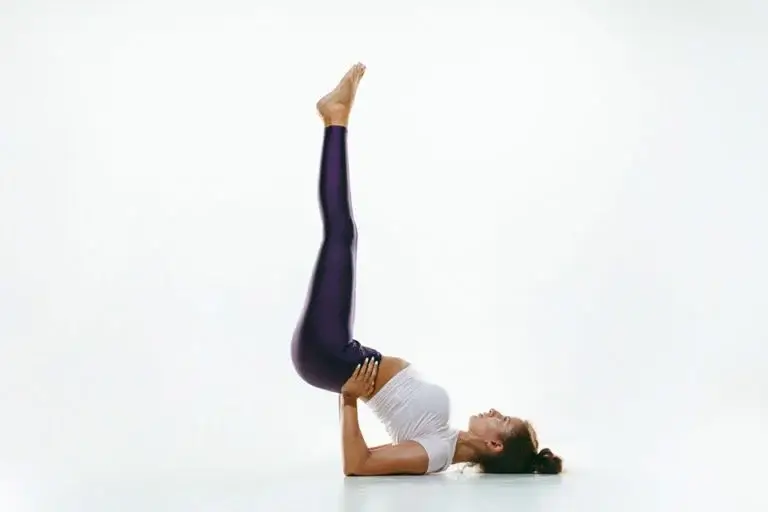
Don’t distract the viewer with cluttered backgrounds. Maintain focus with plain walls, blurred landscapes, or simple indoor setups. In distraction-free photos, alignment, form, and serenity are emphasized, which makes the image visually pleasing.
11. Collaborate with Yoga Models for Professional Shots

Using yoga models can improve your photography. They know proper alignment, transitions, and balance, so they can capture striking poses. Communication and rapport are key to smooth sessions. Yoga photos are more technically precise and aesthetically inspiring when they are created collaboratively.
Explore various types of photography to grow your skills and advance your photography career.
Conclusion | Best Yoga Photography Tips
Yoga photography requires patience, focus, and creativity. Don’t be afraid to trust your instincts – your “sixth sense.” Make the most of your photo sessions by following these tips and paying attention to the little details.
After your shoot, refine colors, lighting, and alignment using a professional editing service. If necessary, work with a professional photographer to achieve precision and quality. Both strength and serenity can be beautifully captured with yoga photography.
FAQ | Yoga Photography Tips
A: The best way to pose for yoga pictures is to choose balanced, graceful postures that highlight alignment and calm energy. Poses like Tree Pose or Warrior II show both strength and serenity. Maintain a natural smile, elongate your spine, and keep your breathing steady. Use natural light and avoid overly staged angles for authentic, high-quality shots.
A: Wear form-fitting, comfortable yoga wear that supports easy movement and defines posture lines. Solid colors or minimal designs work best for clarity and focus. Avoid baggy clothing that hides alignment. Neutral or pastel tones photograph well in natural light. For outdoor shoots, coordinate your outfit with your surroundings for visual harmony.
A: The most popular yoga pose is Downward-Facing Dog (Adho Mukha Svanasana). It’s a foundational posture in almost all yoga styles. This pose stretches the entire body, strengthens the arms and legs, and helps improve flexibility and focus — making it a favorite for both beginners and experienced yogis.
A: The Shoulder Stand (Sarvangasana) is known as the Queen of Yoga Poses. It promotes circulation, improves thyroid health, and calms the nervous system. It’s often paired with Headstand (Sirsasana) — known as the King of Poses — for balance between energy and relaxation.
A: The Handstand Scorpion (Vrschikasana) is widely considered the hardest yoga pose. It requires extreme strength, flexibility, and balance, as well as deep control of breath and body awareness. Other challenging poses include One-Handed Tree Pose (Eka Hasta Vrksasana) and Peacock Pose (Mayurasana).