

Photography is a part of our daily lives. Capturing memories with a snap is easy, but underwater photography is a different adventure. The color, movement and light underwater create excellent visuals. But it requires skill, patience, and preparation. Here are 7 essential underwater photography ideas that can help you capture great shots.
1. Choose the Right Underwater Camera

Selecting the right camera is the first step. For beginners, a compact camera with waterproof housing works best. Modern cameras offer specialized underwater settings, so compare your options with your budget. Make sure the housing allows full access to controls like zoom and aperture. Avoid disposable cameras, they’re limiting.
2. Get Comfortable on Land First

Underwater shooting can feel awkward at first, especially with a camera in housing. Practice handling your camera on dry land before diving in. This builds confidence and makes your underwater shots steadier.
3. Master Your Buoyancy Skills
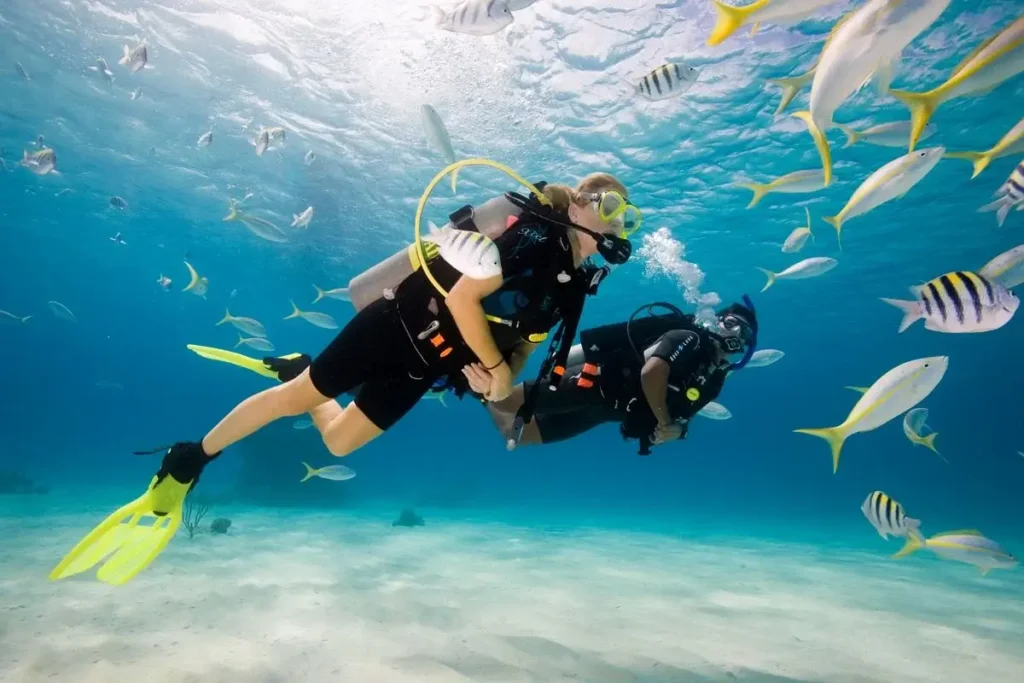
Buoyancy control is crucial. Proper buoyancy helps you stay steady, avoid disturbing marine life, and get sharp images. Spend time practicing floating and positioning underwater to improve your shots. Enroll in PADI Underwater Photography Courses for structured buoyancy and photography lessons.
4. Experiment with Shot Positioning
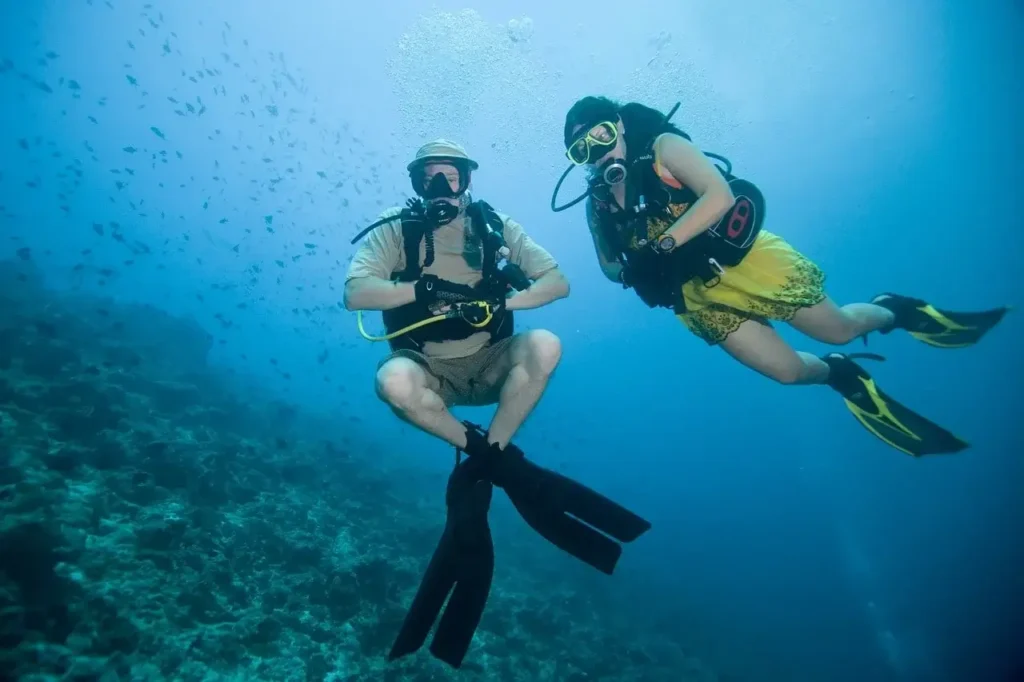
Underwater photography isn’t the same as land photography. Try different angles: above your subject, eye-level, or upward shots. Changing your perspective gives more dynamic and engaging images.
5. Respect Marine Life

Never touch or disturb marine animals to get a shot. Ask yourself: Is this safe for me and the animal? Will my light or movements harm the subject? Respecting wildlife ensures the safety of both you and the ocean ecosystem.
6. Use Artificial Light for Underwater Photography

Underwater lighting can be tricky. Strobes or underwater flashlights can bring out vibrant colors and details that natural light may not capture. It takes practice, but investing in external lighting improves your final results.
You can enhance underwater photos using Photopea. It’s a free online photo editor. For professional results, try our professional photo retouching service.
7. Make the Most of Natural Light

When using sunlight, stay within 20 feet of the surface for best results. Position the sun behind your lens or experiment with backlighting to create striking effects.
FAQs | Underwater Photography
1. What is the 20-60-20 rule in photography?
It’s a composition guideline: divide the frame into top 20% (sky/background), middle 60% (main subject), bottom 20% (foreground) for a balanced shot.
2. Can I use my phone for underwater photos?
Yes, with a waterproof case. Works best in shallow water, but for deeper or professional shots, a dedicated underwater camera is better.
3. Is underwater photography hard?
It can be challenging due to lighting, movement, and marine life, but practice, proper gear, and understanding angles make it manageable.
4. What is a good cheap underwater camera?
Budget-friendly options: GoPro HERO (older models), Olympus Tough TG-6, Nikon Coolpix W300. Smartphones with waterproof cases can also work for casual use.
Conclusion | Underwater Photography Tips
Underwater photography is challenging but rewarding. With patience, practice, and the right gear, you can capture breathtaking underwater shots. Keep practicing, experiment with angles, and respect the ocean—you’ll see your skills grow over time.