
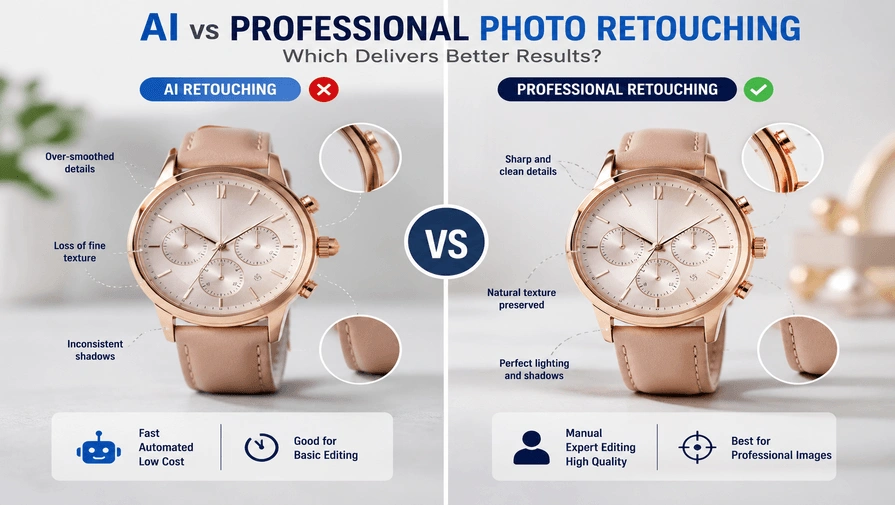
Choosing how to edit your images is a big decision for your business. Today, you have two main choices: using automated AI (Artificial Intelligence) tools or hiring professional human retouchers. AI photo editing apps promise instant results with a single click. On the other hand, professional human editors offer deep expertise and an eye for fine details.
Both methods can enhance your photos, but they work very differently. This guide compares AI vs professional photo retouching across image quality, cost, speed, and industry standards to help you choose the best option for your brand.
What Is AI Photo Retouching?
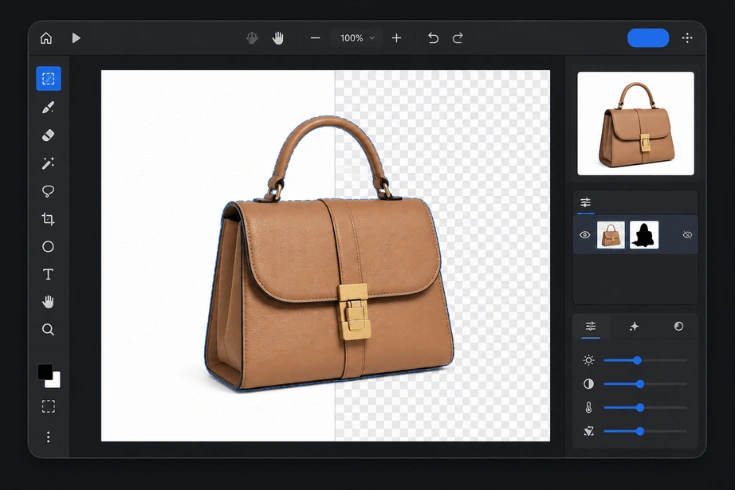
AI photo retouching uses machine learning software to detect objects, adjust lighting, and clean up images with a single click. These tools can analyze pixels, remove backgrounds, and smooth out textures in seconds. While this speed is great for casual social media posts, the software operates on generic rules. It does not understand your brand’s specific style or your product’s unique texture.
What Is Professional Photo Retouching?
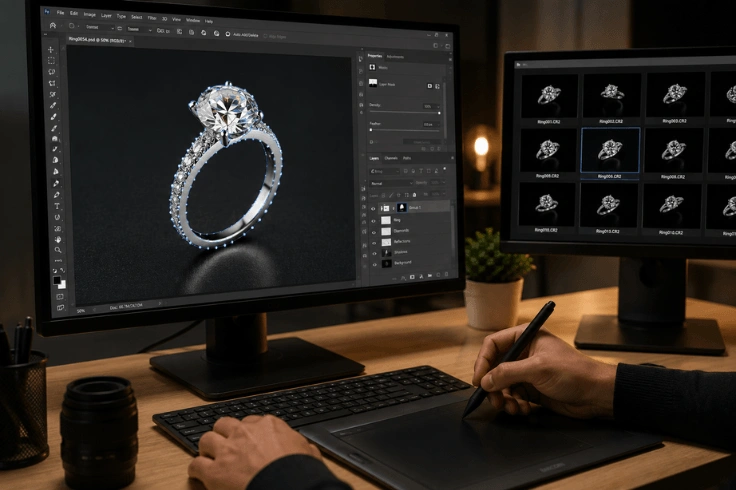
Professional photo retouching is the manual editing of images by expert retouchers using software like Adobe Photoshop. Unlike automated tools, professional photo editors apply judgment, creative artistic skill, and industry-specific knowledge to each photo individually. They make conscious artistic decisions that software simply cannot replicate.
Human Expertise in Photo Editing
Professional editors have years of hands-on training and industry specialization. They assess every image individually and understand what the right color looks like for a specific material or product category. A jewelry editor knows how a diamond catches light. This kind of creative judgment and expertise makes human retouchers different than automated AI photo retouching.
Advanced Retouching Techniques
Professional retouchers use precision manual techniques to clean and enhance images without destroying the original data.
Frequency Separation
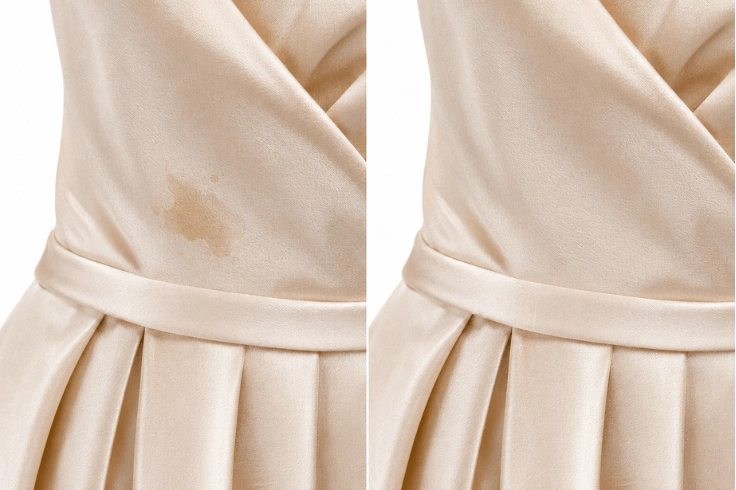
Frequency separation separates an image into two layers. One containing color data and the other containing structural texture. This allows editors to remove skin blemishes or fabric stains on the color layer without altering the underlying texture.
Dodge and Burn
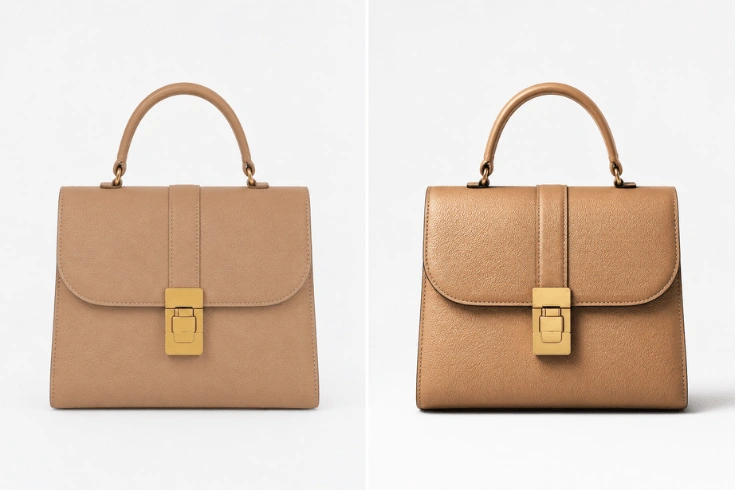
Editors manually lighten (dodge) and darken (burn) highly specific micro-areas of an image. This corrects uneven lighting, enhances three-dimensional form, and creates natural-looking depth without flattening structural details.
Precision Pen Tool Pathing
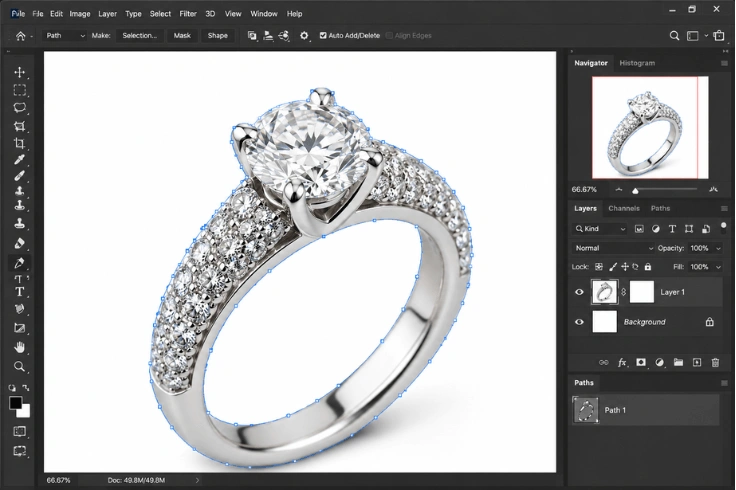
Editors draw vector paths by hand around complex objects. This creates clean, sharp edges and prevents the pixelated look that automated selections often produce.
Custom Editing for Different Industries
Every industry requires a different visual approach. A luxury watch needs sharp metal reflections. A summer dress needs soft lighting and accurate color matching. Professional editors understand these differences and adjust their technique accordingly. On the other hand, AI automated tools apply the same generic process to edit every image, regardless of category. They follow fixed patterns and cannot make creative adjustments based on specific industry needs.
AI vs Professional Photo Retouching: Key Differences
Both AI and professional retouching can improve image quality, but they serve different purposes. AI focuses on speed and automation, while professional retouching prioritizes accuracy, consistency, and attention to detail. The comparison below highlights the key differences between AI vs Professional Photo Retouching in terms of quality, speed, cost, and creative control.
| Feature | AI Photo Retouching | Professional Retouching |
|---|---|---|
| Editing Speed | Seconds per image | A few hours to 1-2 days |
| Cost | Low cost | Higher cost |
| Human Control | Limited | Full manual control |
| Complex Details | Often blurred or misread | Preserved with precision |
| Natural Results | Good for simple photos | Photorealistic, brand-accurate |
| Custom Style | Limited, generic presets | Fully customizable |
| Best For | Basic editing | Professional images |
As you can see, AI retouching works well for quick and basic edits, especially when speed and cost are the main priorities. However, when image quality, brand consistency, and fine details matter, professional photo retouching delivers more reliable and polished results.
Limitations of AI Photo Retouching
AI software has improved, but computers still cannot truly “see” an image the way a human eye does. A human looks at the image with their creative sense, but AI software works by following its built-in algorithms and patterns, not by genuinely understanding what they are looking at. Here are the most common places where AI retouching tends to fall short.
Inconsistent Results
If you upload 100 product photos into an AI tool, it may edit each one slightly differently based on the background light, like a photo touch warmer, another a shade darker. This leaves you with an unorganized, messy product catalog.
Loss of Fine Details
AI often struggles to tell the difference between a flaw and a natural texture. It frequently over-smooths important details like lace patterns, leather grains, and fine jewelry engravings.
Incorrect Object Recognition
AI often misidentifies items. For example, it might mistake a transparent handbag strap for part of the background and accidentally erase it. These problems are not small glitches; a missing strap or vanished chain means the photo is not usable.
Limited Creative Control
AI photo retouching tools follow automatic settings to edit images. They can make basic improvements, but they may not understand the exact style or look a brand wants. AI may not adjust lighting, colors, or small details in the way a professional editor can.
Professional retouching gives more control over every part of the image. Editors can make custom changes based on the product, brand style, and target audience. This helps create unique and high-quality images that match business needs.
When Professional Photo Retouching Is the Better Choice
Professional photo retouching is the better choice when image quality directly affects customer trust, brand perception, and sales performance. Unlike AI tools, professional editors can make precise adjustments based on the product type, target audience, and brand requirements.
Professional retouching is ideal when:
- Images require premium-quality results.
- Products contain fine details such as jewelry, fabric textures, or engravings.
- Brand consistency is important across websites, marketplaces, and marketing materials.
- Photos need custom adjustments beyond automated editing.
- Natural-looking results are required.
- Images will be used in advertising, eCommerce, print, or other commercial campaigns.
For businesses that rely on strong visual presentation, professional retouching helps create accurate, consistent, and conversion-focused images.
AI vs Professional Photo Retouching for Different Industries
Different industries have different image requirements. AI photo retouching can be useful for quick and simple edits, but professional photo retouching is often better when businesses need accurate details, creative control, and a high-quality final look. The right choice depends on the product type and the image quality customers expect.
Fashion Ecommerce
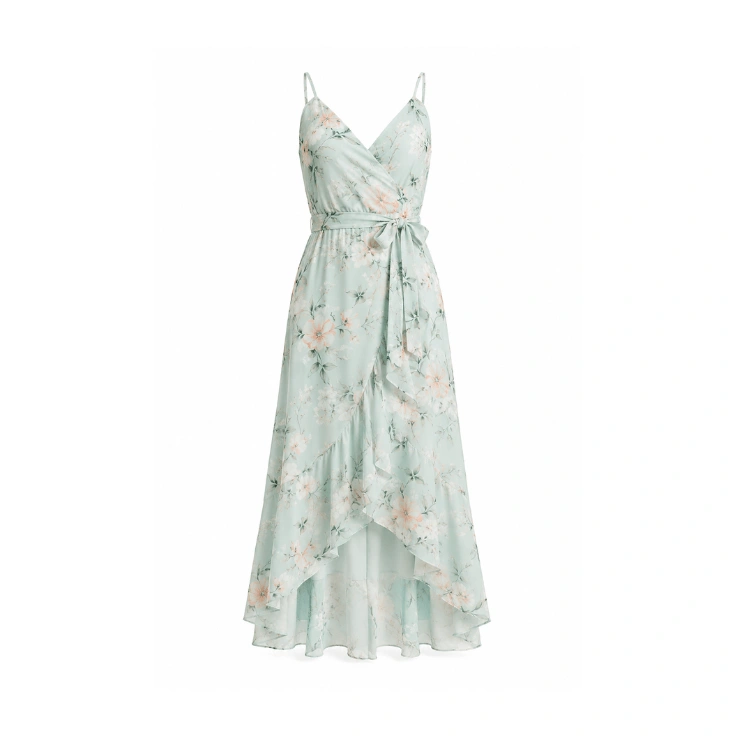
Fashion brands and online stores often rely on ecommerce product photo retouching services to maintain consistent image quality across large product catalogs. AI can help with basic edits, but professional retouching is better for removing wrinkles, improving fabric texture, and creating a consistent style across many product photos.
Jewelry Product Photography
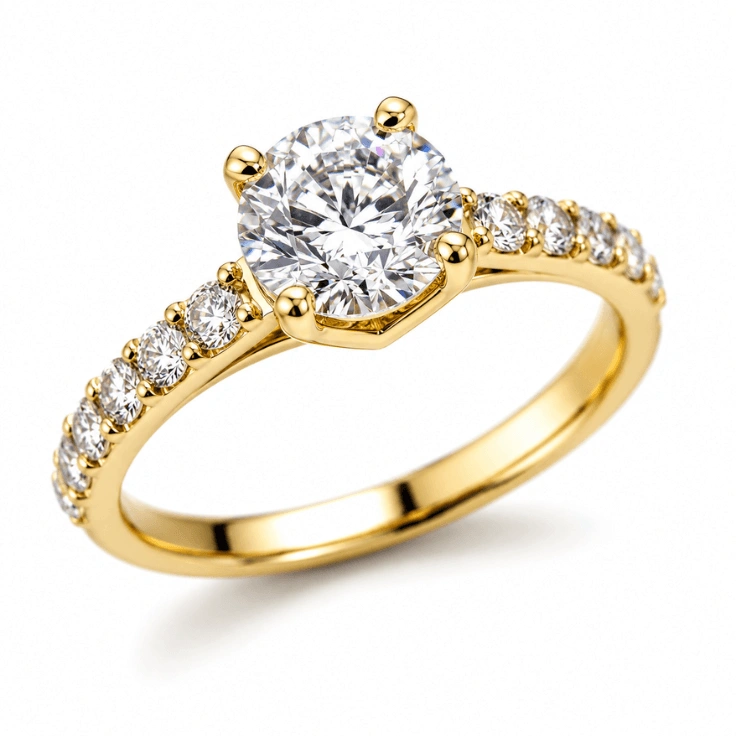
Jewelry photos need careful editing because diamonds, metals, and stones have tiny details and reflections. Professional retouching works better because editors can improve shine, remove flaws, and keep the jewelry looking natural.
Furniture & Home Decor
Furniture images need clean backgrounds, realistic shadows, and accurate colors. AI can handle simple background changes, but professional editing helps create realistic images that make furniture look attractive and high-quality.
Cosmetics & Beauty Brands
Beauty products need bright, clean, and eye-catching images. Professional retouching helps fix colors, improve details, and create premium-looking photos that match the brand style.
Real Estate Marketing
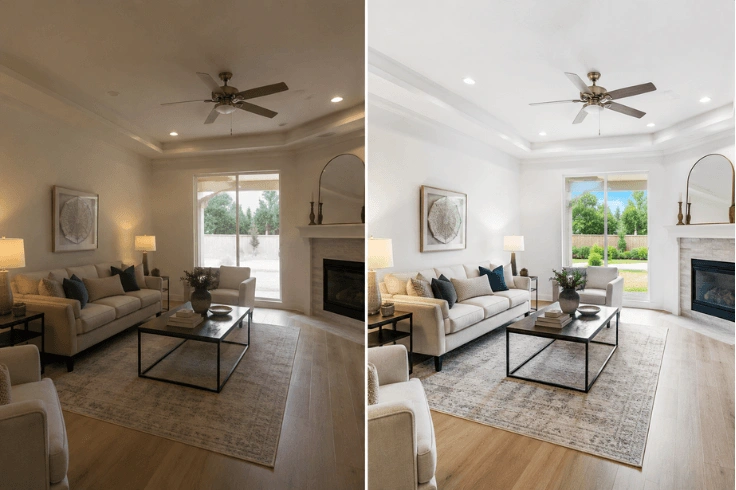
Real estate images need to look clear and inviting. AI can improve lighting quickly, but professional editing gives more control over brightness, colors, and overall presentation to make properties look more appealing.
Why Businesses Choose Professional Photo Retouching Over AI
Even with free or cheap AI tools widely available, successful brands continue to invest in human retouching services. Computers can follow formulas, but they do not understand customer psychology or brand identity.
Quality Expectations
Professional retouching not only enhances appearance but also improves image quality, helping businesses create cleaner, sharper, and more visually appealing product photos.
Brand Reputation
Your imagery represents your brand identity. Clean, professional images build a premium reputation, allowing you to charge higher prices than competitors with poor photos.
Customer Trust
When a product photo looks exactly like the item that arrives in the mail, customer trust grows. This trust leads to positive reviews and repeat buyers.
Better Marketing Performance
High-quality images get more clicks on social media, higher engagement rates on ads, and better conversion rates on eCommerce storefronts. Professional retouching directly supports your bottom line.
AI can automate repetitive editing tasks, but it still lacks human judgment, creativity, and industry-specific expertise. They make creative decisions based on customer expectations and business goals, something AI cannot fully replicate.
Professional retouchers understand how different materials, lighting conditions, and brand styles should appear in an image. For high-quality commercial photography, human expertise remains essential for achieving accurate, consistent, and brand-focused results.
Conclusion
Choosing the right retouching service, whether AI or professional photo retouching, actually depends on your image requirements. In simple words, if you need pictures for personal use or quick social media posts, AI tools can be convenient for their fast and low-cost service.
However, for businesses that sell online products like jewelry, fashion, luxury goods, or any other products where small details directly affect customer purchasing decisions, professional photo retouching will be the right choice.
Frequently Asked Questions
No, AI is not good enough for eCommerce products in special cases like jewelry, fabric texture, and reflective surfaces. But AI works fine for basic edits like simple background removal or quick color adjustments.
AI tools are typically free or low-cost and charge per image or subscription. Professional retouching costs more because it involves manual, detail-focused work, but the investment usually pays off through higher-quality images, fewer returns, and better conversion rates.
Not yet. AI is fast and useful for simple, high-volume edits, but it still struggles with complex details, reflective materials, transparent objects, and brand-specific style. Professional editors apply judgment and creative skill that automated tools can never fully replicate.
Jewelry, fashion, luxury goods, cosmetics, and advertising benefit the most because these industries rely heavily on fine detail, accurate color, and a polished, trustworthy presentation that AI tools tend to struggle with.
Turnaround time varies by complexity of editing, normally ranging from a few hours to 1–2 days per batch, depending on the number of images and the level of detail required.
Professional photo retouching is better for businesses that need accurate details, consistent branding, and high-quality product images. AI retouching is suitable for quick, low-cost edits but may struggle with complex products, textures, and reflective surfaces.